arrow_backRace Analyst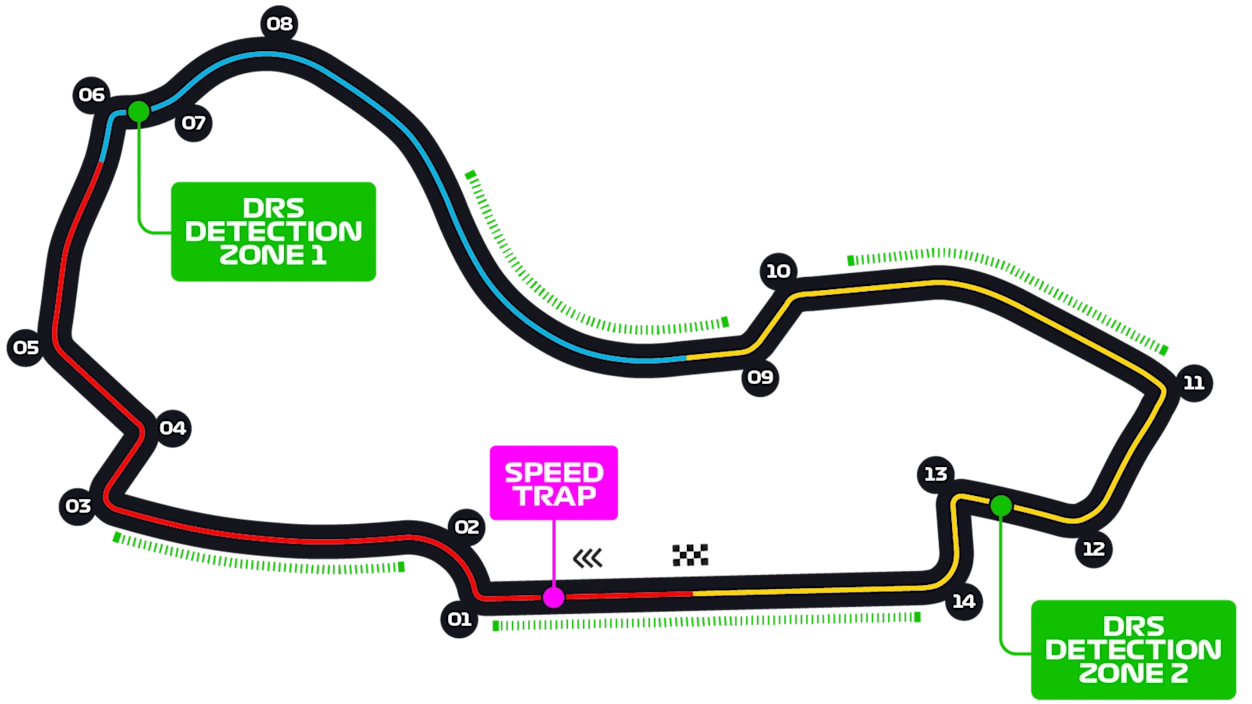 articleMore Analysis
Grand Prix Report
The Story Behind the Australian Grand Prix
person
~ Saad Haroon
28 May 2026 · 10 min read
A defining performance in the 2026 season — one that combined mechanical excellence, strategic nerve, and outright pace at Australian Grand Prix.
The race unfolded across 58 laps of strategic and mechanical brilliance. ERS management in Sector 2 and a clinical 2.1-second pit stop created a net four-second cushion over the chasing pack, with structural aerodynamic efficiency in the high-speed complex providing a consistent 0.3-second-per-lap advantage that made the result inevitable from lap 20 onwards.
The tyre strategy was the defining subplot. Running a longer opening stint than the cars directly behind allowed the team to undercut at a moment when track position was worth more than fresh rubber — a call that required precise modelling of degradation rates and competitor pit windows. The data ultimately supported the decision: the out-lap on the new set was 1.8 seconds faster than the rival who stopped two laps earlier.
In the closing sequence, DRS management through the detection loop became critical. Running within 0.9 seconds of the car ahead triggered the drag reduction system, allowing a flat-out run through the braking zone that no rival could match on older rubber. The championship points secured here carry significance beyond the immediate round standings — they reflect a team operating at the ceiling of its collective capability.
Written by
~ Saad Haroon
F1 Nexus · Race Analyst